Roll-Up Buyers in Texas Roofing: Threat or Opportunity?
Your phone rings. It's a private equity-backed platform company. They want to buy your roofing business.
Feels good, right? Validation. Someone noticed you.
But before you get flattered into a bad deal, or spooked into ignoring a real opportunity, you need to understand exactly what roll-up buyers are doing in the Texas roofing market. Because the answer to the question in this headline depends entirely on where you sit.
What Is a Roll-Up Buyer, Exactly?
A roll-up buyer, sometimes called a platform acquirer or PE-backed strategic, is a company that grows by purchasing multiple businesses in the same industry and combining them under one umbrella. In roofing, this means a private equity group acquires a strong "platform" company, usually $5M-$15M in revenue, then bolts smaller operators onto it over 3-5 years.
The pitch to the market: scale drives efficiency. Shared dispatch, centralized accounting, bulk supplier pricing. The pitch to sellers: you get a clean exit, sometimes with a second bite of the apple through rollover equity.
The reality? It's more complicated than the pitch deck suggests.
Why Texas Roofing Is a Roll-Up Target Right Now
DFW is one of the most active roofing markets in the country. Hail events, rapid population growth, and a massive housing stock ranging from Celina to Mansfield create consistent, recurring demand. When a hailstorm drops on Frisco, the phones don't stop ringing for six months.
Roll-up buyers know this. They're not buying roofing companies in declining rust-belt cities. They're stacking up acquisitions in high-growth Sun Belt metros, and DFW is near the top of every target list.
Add in the fact that the average DFW roofing owner is in their 50s with no succession plan, and you've got a buyer's paradise. Motivated sellers, fragmented market, recession-resistant demand. That's the formula PE groups look for.
If you want to understand the full landscape before engaging any buyer, our guide on how to sell a roofing business in Dallas-Fort Worth is worth reading first.
How Roll-Up Buyers Price Roofing Companies
Here's where sellers get surprised, sometimes pleasantly, sometimes not.
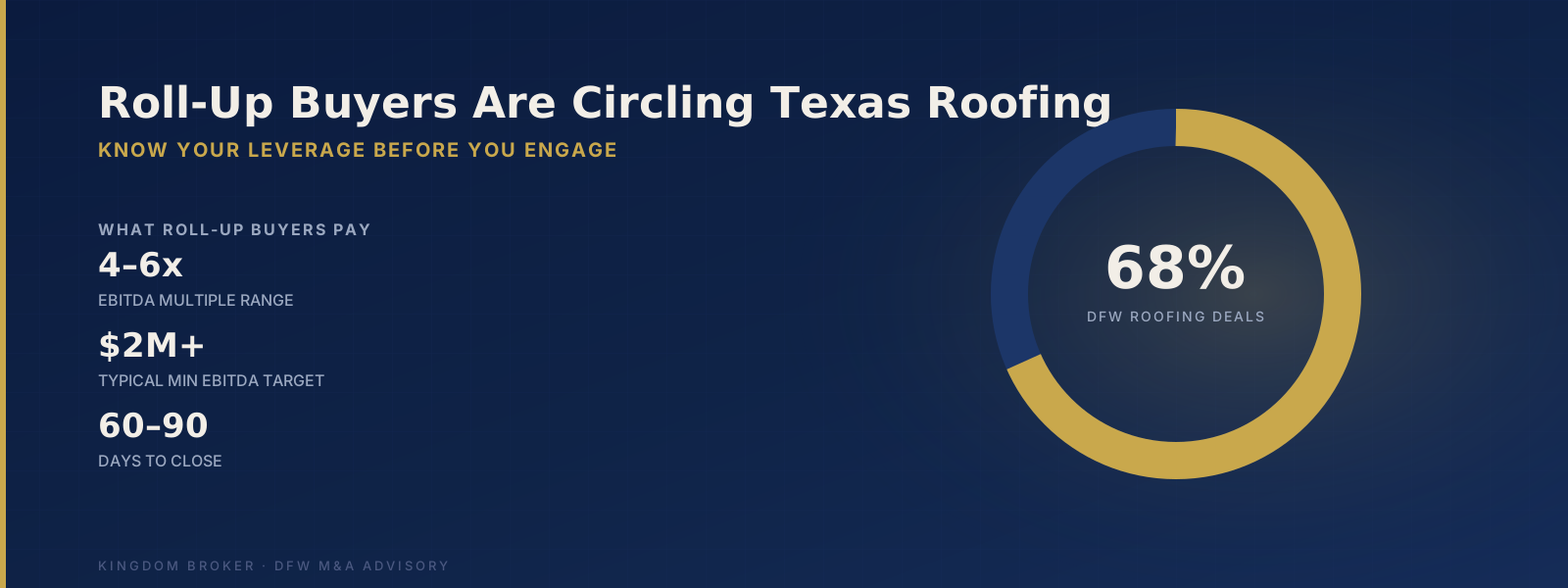
Roll-up buyers typically pay on a formula. They anchor to EBITDA multiples, and for roofing businesses in the $1M-$5M EBITDA range in Texas, you're usually looking at 4x-6x EBITDA. Bigger businesses with cleaner books and recurring commercial contracts can push toward 6x-7x. Smaller owner-operator shops often land at 3.5x-4.5x.
That formula doesn't change much regardless of how compelling your story is. Roll-up buyers are building a portfolio, not falling in love with your business. They've got a model to hit for their limited partners, and they'll pay what the model allows.
This is different from a strategic buyer, say, a large regional roofing contractor who wants your customer base, your crews, and your market position. A strategic buyer might pay a premium because they can eliminate duplicate overhead and see real synergies. Roll-up buyers price on a standardized multiple and move on.
Want a real sense of where your numbers land? Start with our roofing company valuation guide before any buyer conversation.
The Upside of Selling to a Roll-Up
Let's be honest about what roll-up buyers do well.
Speed. PE-backed platforms can move fast when they want a deal. They have capital ready, legal teams on standby, and decisions made at the top. If you've been burned by tire-kicker buyers in the past, the decisiveness of a funded acquirer feels like a relief.
Certainty. Most roll-up deals are all-cash at close (or close to it), with minimal seller financing required. Compare that to an owner-operator buyer who needs SBA financing and three months of bank approvals.
Rollover equity. Many platforms offer you the chance to roll 20%-30% of your proceeds into equity in the combined company. If the platform eventually sells at a higher multiple, you participate in that upside. Some owners have doubled their effective exit price through rollover equity. Others have seen it evaporate. It's real risk.
Team continuity. Roll-up buyers generally want to keep your managers and field crews in place. They're buying your operation, not gutting it. That matters if you care about your people after you leave.
The Downside Nobody Puts in the Pitch Deck
Here's the uncomfortable truth about roll-up acquisitions.
You will likely earn less than a strategic buyer would pay. Because roll-up buyers use a formula, and because they're acquiring multiple companies simultaneously, they rarely stretch on price. The multiple is the multiple.
Integration can be rough. Once you're inside the platform, your business is no longer yours. Pricing decisions, hiring, branding, all of it shifts. Some sellers describe the first year post-close as deeply disorienting. Others adapt quickly. You won't know which camp you'll fall into until you're already in it.
Earnouts create friction. Many roll-up deals include an earnout, additional payments tied to hitting revenue or EBITDA targets post-close. The problem: once you're inside the platform, costs you can't control get allocated to your "division." Earnout targets become harder to hit, not easier. If a roll-up buyer is pushing a large earnout on your deal, get your attorney involved early.
Owner dependency discounts. Roll-up buyers do serious diligence on how much the business depends on you personally. If your customers buy because of you, not your brand, the buyer will price that risk in. Read more on how owner dependency kills business value before you sit across from any buyer.
How to Negotiate Better With a Roll-Up Buyer
You're not powerless. Even against a well-funded PE platform, there are levers you can pull.
Run a real process. The single biggest mistake DFW roofing owners make is responding to one inbound inquiry and negotiating against themselves. If one roll-up buyer called you, others are watching. A competitive process, even just contacting two or three other platforms, creates leverage that a one-on-one conversation never will.
Clean your books before you engage. Roll-up buyers do serious quality of earnings work. Sloppy financials will get you re-traded at the worst possible moment, right when you've mentally moved on. Two years of clean, well-documented financials protect your multiple.
Understand your add-backs. Every legitimate expense run through the business that won't transfer to a new owner, your truck, your phone, above-market owner salary, should be added back to EBITDA. Roll-up buyers will argue about every dollar. Know what add-backs are and how to defend them before negotiations begin.
Know your walk-away number. This sounds obvious. Fewer than 20% of sellers we talk to can actually name a number they'd walk away from. Without that anchor, you'll drift toward whatever the buyer puts in front of you.
Threat or Opportunity? Here's the Real Answer.
Roll-up buyers are an opportunity if your business is clean, if you're genuinely ready to exit, and if you run a competitive process that forces them to compete.
They're a threat if you negotiate alone, if your financials aren't tight, or if you mistake inbound interest for maximum value.
DFW roofing is one of the hottest acquisition targets in the country right now. That's not going to last forever. Markets shift, PE cycles turn, and the buyers who are aggressive today will get cautious when interest rates or insurance markets move against them.
The window is open. The question is whether you're walking through it on your terms, or someone else's.
If you're serious about understanding what your roofing business is actually worth before any buyer conversation, get a free valuation from Kingdom Broker. No obligation. No pressure. Just real numbers you can negotiate from.
Find Out What Roll-Up Buyers Will Actually Pay for Your Business
Get a real valuation before any buyer conversation. Kingdom Broker gives DFW roofing owners honest numbers, so you negotiate from strength, not guesswork.
Get Your Free Valuation