What Documents Do I Need to Sell My HVAC Company?
You've built a solid HVAC company. Trucks on the road, techs booked out, customers who call back every season. Now you're thinking about selling, and a buyer has come to the table.
Then they send you the due diligence request list.
It's twelve pages long.
Most HVAC owners freeze here. Not because they don't have the documents. Because they've never organized them, never thought of their business as a package that gets handed to a stranger for inspection. That shift in thinking, from operator to seller, is where deals get won or lost.
This guide tells you exactly what documents you need to sell your HVAC company, why each one matters, and what happens when something's missing.
Why Documentation Changes Your Multiple
Here's the uncomfortable truth: two HVAC companies with identical revenue can sell for very different multiples. The difference often isn't the trucks or the customer list. It's how clean the paperwork is.
A buyer, especially a private equity-backed roll-up targeting DFW service companies, is not just buying your cash flow. They're buying their ability to verify your cash flow. Organized, accurate documentation signals a professionally run business. Gaps signal risk. And buyers price risk by lowering their offer or walking away.
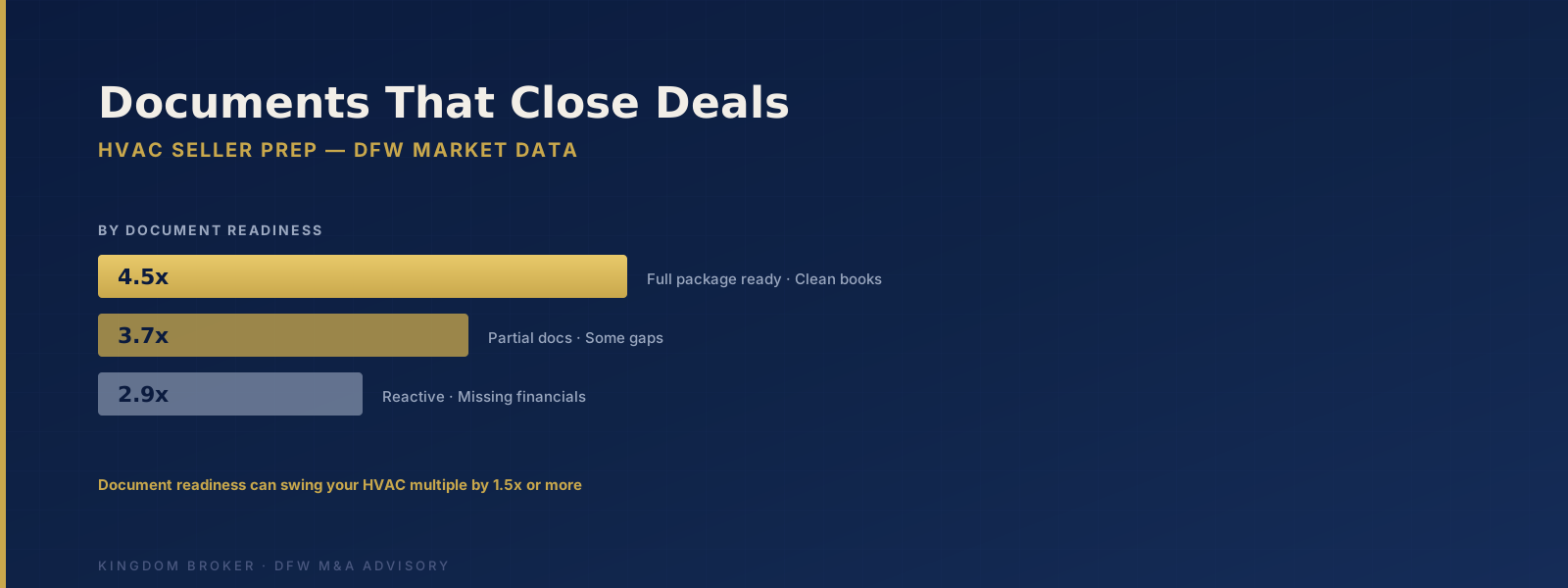
We've seen HVAC companies sell for 4.5x EBITDA with clean books and a full document package. We've seen nearly identical companies stall at 3x because the seller couldn't produce three years of clean financials. That gap is real money, often six figures or more at the closing table.
If you want to understand how your specific numbers translate to a valuation range, start with our free business valuation tool. But first, let's build your document stack.
Financial Documents, The Foundation of Every Deal
No buyer on earth closes without seeing the financials. This is non-negotiable, and it's where most DFW HVAC sellers are least prepared.
Three Years of Tax Returns
Business federal tax returns, Form 1120 or 1065 depending on your entity, for the last three full years. These are the anchor document. Everything else gets cross-referenced against them. If your tax returns show $800K in revenue and your QuickBooks shows $1.2M, you have a problem to explain.
Profit and Loss Statements
Monthly P&Ls for the past three years plus year-to-date for the current year. Buyers want to see seasonality. An HVAC company in North Texas that doesn't show revenue spikes in June and July raises eyebrows. Monthly detail tells the real story.
Balance Sheet
A current balance sheet showing assets, liabilities, and equity. Buyers want to know what comes with the business, and what debt might follow the deal.
Bank Statements
Twelve to twenty-four months of business bank statements. They verify that the cash your P&L shows actually hit your account. Simple as that.
Accounts Receivable and Payable Aging Reports
Who owes you money, and how old is it? Who do you owe? AR aging is especially important for commercial HVAC accounts. A pile of 90-day receivables from one commercial property manager is a flag buyers will ask about.
If you haven't already read our breakdown of add-backs when selling a business, do that next. Owner compensation, personal vehicles, and one-time expenses all affect what your real EBITDA looks like, and that drives your sale price.
Business Operations Documents
Once the financials check out, buyers dig into how the business actually runs. They're asking one question: will this thing survive without you?
Customer Contracts and Service Agreements
Every active maintenance agreement, service contract, and commercial account contract. Recurring revenue from maintenance contracts is gold in an HVAC sale, it's predictable, it renews, and buyers pay a premium for it. Have them organized by customer name, contract value, and renewal date.
Vendor and Supplier Agreements
Relationships with distributors like Wesco, Carrier, Lennox, or local DFW suppliers matter. If you have preferred pricing agreements or supply commitments, document them. Buyers want to know the margin structure survives the ownership change.
Subcontractor Agreements
If you use subs for overflow work, electrical rough-ins, or specialty installs, buyers want to see those agreements. They also want to confirm your subs are classified correctly, 1099 vs. W-2 misclassification is a liability that gets priced into the deal or kills it.
Employee and Technician Records
An org chart. A roster of all full-time and part-time employees with titles, tenure, and compensation. Copies of any non-compete or non-solicitation agreements. HVAC tech turnover in DFW is real, buyers want to see who they're inheriting and what it costs to keep them.
Owner dependency is one of the biggest value killers in owner-operated HVAC companies. If every customer relationship, every hire, and every equipment decision runs through you, that's a risk buyers discount heavily.
Licensing, Insurance, and Compliance
This section sounds boring. It matters more than you think.
HVAC Contractor License
Your Texas HVAC contractor license, and any qualifying party license if you use one. Buyers need to know the license transfers or that a new qualifying individual is in place at close. In Texas, this is regulated by TDLR. A license gap at closing can unwind a deal.
EPA 608 Certifications
Every tech handling refrigerants needs to be 608 certified. Buyers doing environmental diligence will ask for a list of certified technicians. If you can't produce it, that's a flag.
Business Insurance Certificates
General liability, commercial auto, workers' comp, and any umbrella policies. Three years of certificates if possible. Any major claims history should be disclosed proactively, buyers find it anyway, and surprises kill trust.
Vehicle Titles and Fleet Records
A complete fleet list: every truck, van, and trailer with VIN, year, mileage, and maintenance records. DFW buyers often include fleet value in asset-based deal structures. Know what your vehicles are worth and whether they're free and clear or financed.
Any Prior Litigation or Liens
Active lawsuits, unresolved liens, or TDLR complaints need to be disclosed. Trying to hide these is how sellers end up in post-close disputes, or in worse trouble.
Deal-Specific Documents
As you move deeper into a transaction, buyers will ask for documents that go beyond operations.
- Three years of corporate income tax returns (business entity)
- Any real estate leases, office, warehouse, or shop space in Tarrant, Dallas, or Collin County
- Equipment financing agreements and payoff balances
- Seller's personal tax returns if the business is a pass-through entity (common ask in SBA-financed deals)
- A copy of your current organizational documents, articles of incorporation, operating agreement, or partnership agreement
If an SBA 7(a) loan is funding part of the deal, the documentation requirements get even more specific. Our guide on SBA loan requirements in Texas walks through what lenders add to the pile.
Buyers financing through seller notes will want to see cash flow projections too. Read our breakdown of seller financing when selling a business to understand how that changes the document conversation.
Start Building the Package Now
Here's what separates HVAC owners who close on their terms from those who don't: preparation time.
The sellers who command the best multiples in DFW aren't the ones who scramble to pull documents after a buyer shows up. They're the ones who spent six to twelve months getting the package ready before going to market. Clean books. Organized contracts. Licenses current. Fleet documented.
That preparation signals professionalism. It builds buyer confidence. And it shortens the due diligence window, which means fewer chances for the deal to fall apart.
If you want to see the full process from the seller's side, our guide on how to sell an HVAC business in DFW lays out the timeline and what to expect at each stage.
The goal isn't perfection. It's readiness. Because when the right buyer shows up, and in DFW's active M&A market, they will, you want to move fast and not lose the deal in the document room.
Find Out What Your HVAC Company Is Worth
Get a free valuation estimate built for DFW home service businesses. No obligation, just real numbers to help you plan your next move.
Get Your Free Valuation